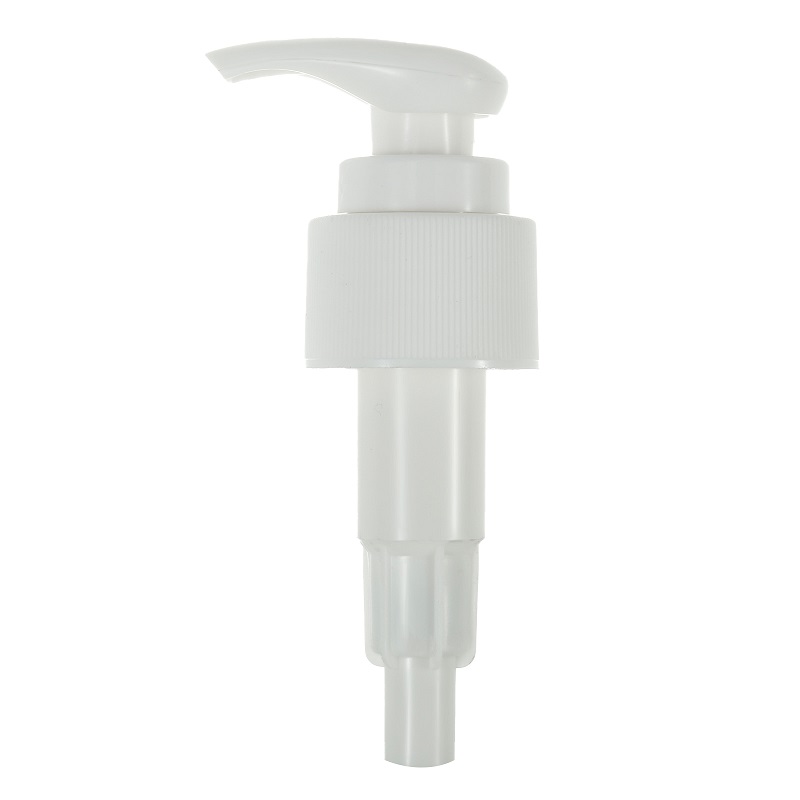
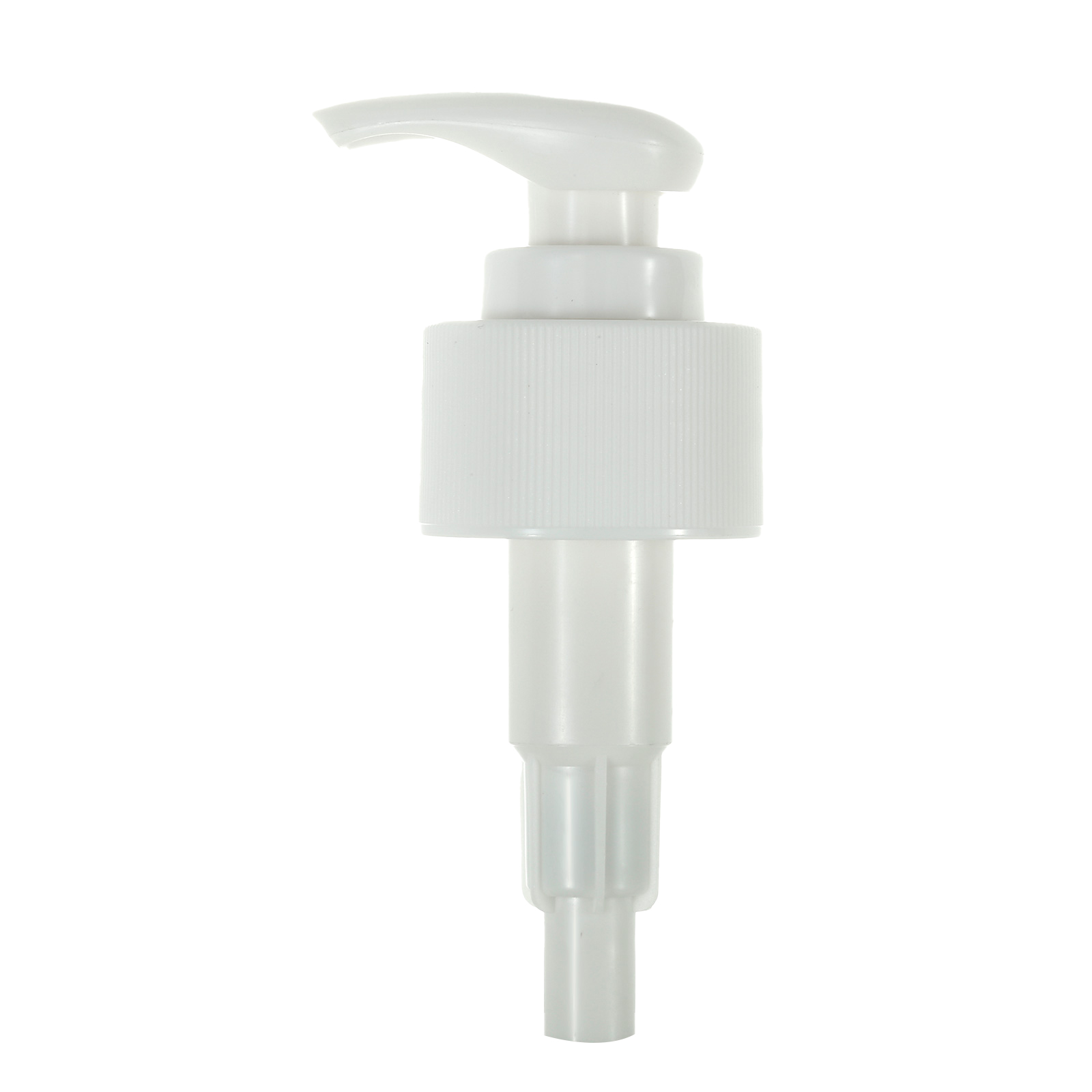
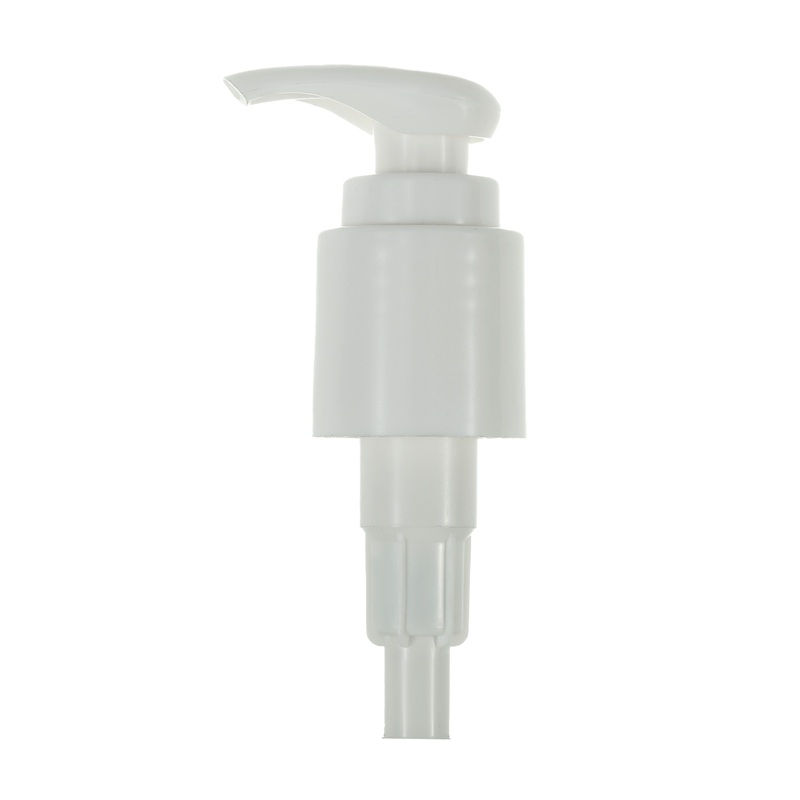
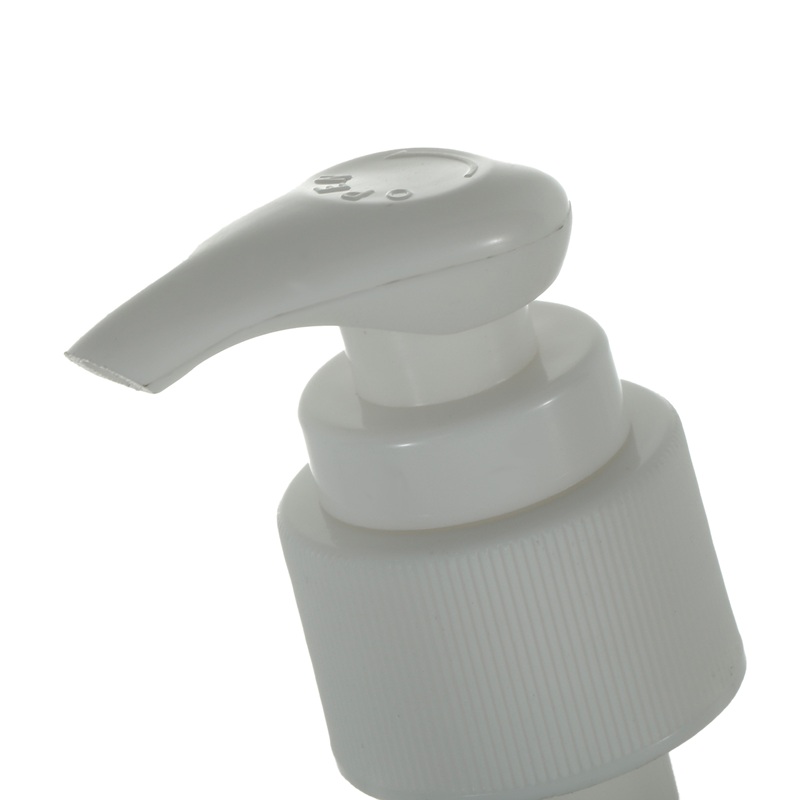
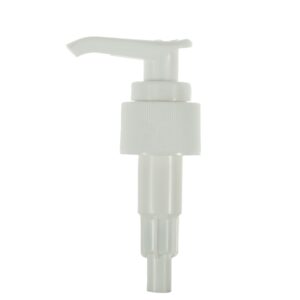
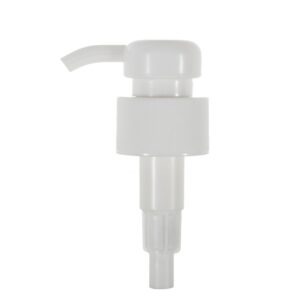
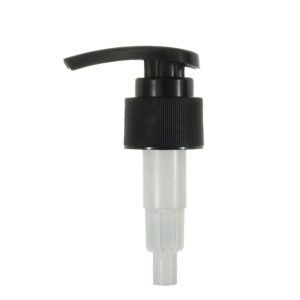
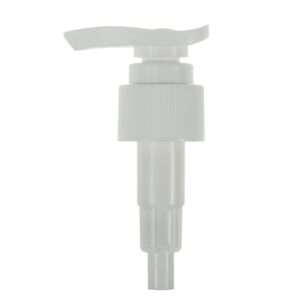
The pump for lotion operates on a vacuum-driven mechanism: pressing the top actuator forces a piston downward, drawing lotion up a dip tube into a chamber; releasing the actuator triggers a spring (or modern springless design) to push the piston back, dispensing a measured amount through the nozzle. Its components—typically made of BPA-free polypropylene (PP) for durability and safety—include a ribbed closure (for secure bottle attachment), a gasket (to prevent leaks), and a ball valve (to stop product backflow), ensuring efficiency across viscosities from lightweight serums to thick body creams.
Brands rely on pump for lotion for controlled dosing: outputs range from 0.5mL (ideal for potent serums) to 30mL (for industrial-use products), reducing waste and ensuring consistent application. For consumers, features like lockable mechanisms prevent spills during travel, while airtight seals protect active ingredients (e.g., vitamin C in moisturizers) from oxidation, extending shelf life.
In 2025, sustainability drives innovation: Unilever’s Vaseline, for example, has introduced 100% recyclable mono-material pumps (eliminating metal springs) that work with curbside recycling systems, aligning with circular economy goals. Customizable designs—from UV-metallized finishes to brand-matching Pantone colors—also let pump for lotion double as branding tools, standing out on retail shelves.
Whether in a bathroom, salon, or hospital (dispensing hand sanitizer), the pump for lotion merges practicality with precision, proving that even small packaging details can elevate both product performance and user satisfaction.